-
-
-
400-685-8537

source: 仁树医疗 2026-03-27 18:04:45 Secondary reading
"General anesthesia sounds terrifying. Can I just have a regional anesthetic instead?"
"Will this anesthetic damage my brain?"
"Once the anesthesia is given, does the anesthesiologist just sit around?"
If you have ever faced surgery, or are about to, these questions may have crossed your mind. The answers to all of them lie with one group of people – anesthesia providers.
Who are they? What exactly do they do inside the operating room?
Today, let's get to know these "silent guardians" and lift the veil on the mysteries of anesthesia work.
Anesthesia Providers:
More Than Just "the Person Who Gives the Shot"
01
Many people think anesthesia providers are technicians who "give the shot and leave." This misconception leaves countless anesthesia professionals both amused and frustrated.
In reality, they are the "internists" of the operating room.
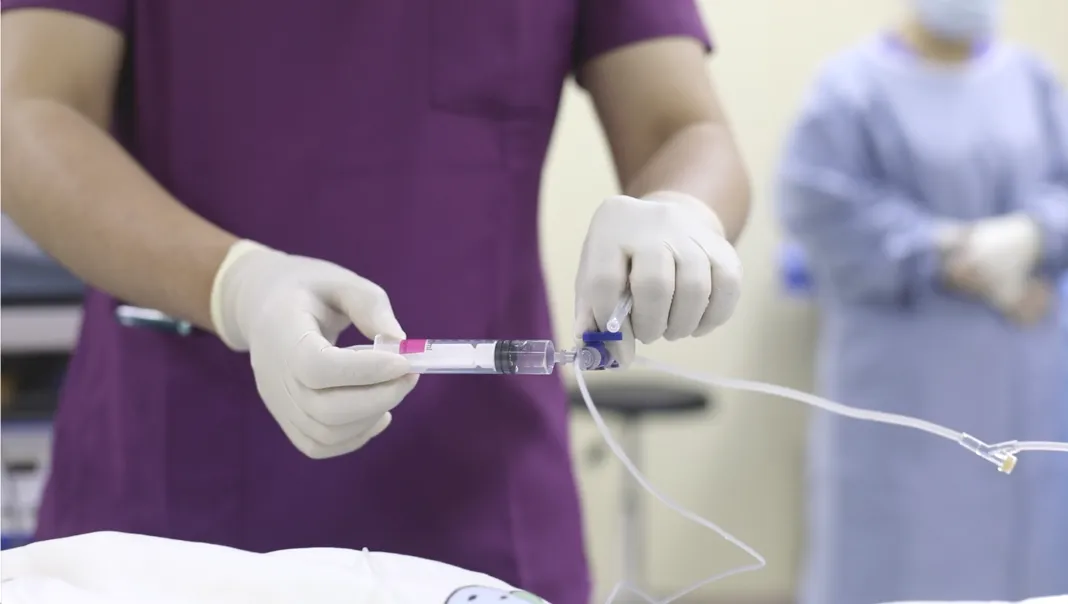
While the surgeon focuses on the surgical site, the anesthesia provider is responsible for the "bottom line" of the entire procedure – your vital signs. Heart rate, blood pressure, breathing, temperature – every subtle change in these values is under their watch. In any sudden event during surgery – a sudden drop in blood pressure, an abnormal heart rhythm, an allergic reaction – the first person to notice it and rush to manage it is always the anesthesia provider.
More importantly, they are the navigators throughout the surgical journey. From preoperative evaluation, to intraoperative monitoring, to postoperative emergence, they never leave your side.
If you compare a surgery to a flight, the anesthesia provider is the pilot who cannot afford a second of distraction – from a smooth "takeoff" (anesthesia induction), to precise "flight" (anesthesia maintenance), to a safe "landing" (anesthesia emergence), they guard every moment of your journey.
When Treatment Requires Courage,
Renshu Provides Peace of Mind with Expertise
02
At Renshu Ear, Nose & Throat, anesthesia is not the cold process of "a shot and a sleep." It is a comprehensive safety system built with warmth.
Dual Anesthesia Team: Safety as the Foundation
Renshu's anesthesia care features a unique "dual anesthesia provider护航" model, akin to a "captain and co-captain" during a flight. From three precise preoperative assessments to meticulous intraoperative adjustments, every step involves a double layer of safety. We select imported/originator anesthetic drugs, making safety the baseline of anesthesia.
Comprehensive Analgesia: Comfort as the Priority
At Renshu, we firmly believe that "pain is not a necessary suffering." From preemptive analgesia interventions to personalized postoperative pain management, we replace the idea of "toughing it out" with scientific strategies, ensuring patients experience comfort and respect from emergence through recovery.
International Accreditation: Professional Endorsement
As the first medical institution in China where both the outpatient clinic and the ambulatory surgery center have simultaneously achieved DNV international accreditation, Renshu's anesthesia protocols and standards align with international benchmarks. Our professionalism represents not only technological leadership but also reverence for life.
Renshu anesthesia is not just about letting you drift into sleep peacefully; it's about ensuring you wake up with hope.
Why Is the Role of Anesthesia Providers
So Crucial?
03
Because every patient is unique.
The elderly, children, pregnant women, those with underlying health conditions... patients of different ages and physical statuses react to anesthesia in vastly different ways. An exceptional anesthesia provider must tailor an anesthetic plan for each individual.
What truly tests their mettle is the uncertainty during surgery. Major hemorrhage, allergic reactions, cardiac arrest – these crises can occur in any operation. Anesthesia providers must make judgments within seconds and execute interventions within minutes. They are the ones who use their professional knowledge to counter uncertainty.
Common Misconceptions About Anesthesia
Rooted in the Unknown
04
Many people harbor various worries when facing surgery. Behind these concerns lies a fear of the unknown.
×
"Will anesthesia make me stupid?"
This is the most frequently asked question.
The truth: There is currently no scientific evidence indicating that routine anesthesia causes long-term harm to the human brain.
The U.S. FDA once advised avoiding prolonged or repeated general anesthesia in children under three years of age – this was based on "extreme caution" rather than proven risk. The "cognitive decline" occasionally observed in some elderly patients post-surgery is often more closely related to factors like surgical trauma, pain, ischemia, and psychological stress.
×
"Is regional anesthesia safer than general anesthesia?"
Many patients naturally assume that general anesthesia carries more risk, while regional anesthesia is simpler and safer.
The truth: No anesthetic technique is absolutely "good" or "bad"; the key is finding what is "suitable."
Regional anesthesia is suitable for surgeries on the lower abdomen and lower extremities. However, in ENT procedures involving cranial nerves, regional anesthesia cannot provide adequate coverage. While general anesthesia demands a higher level of technical skill, precisely because it requires the anesthesia provider's continuous presence and vigilant monitoring, it often offers a higher degree of safety for the patient.
×
"Of course surgery hurts, just bear with it."
Many people believe postoperative pain is inevitable and something to endure.
The truth: Postoperative pain is not only distressing but also delays recovery.
Pain can increase heart rate and blood pressure, disrupt sleep and appetite, and even impede wound healing. Modern anesthesia philosophy advocates "multimodal analgesia" – ensuring patients recover without pain is the ultimate responsibility of care.
This very philosophy is the principle that Renshu Medical consistently upholds and puts into practice.
A Salute to the Silent Guardians
Away from the operating lights, anesthesia providers are the "guardians behind the scenes."
They are seldom remembered by patients, yet what they guard are
your most vulnerable hours.
Don't worry. During the time you are "asleep,"
there is a team of people who stay by your side, never leaving for a moment,
watching the numbers flicker on the monitors,
ready to shield you from any risk at any second.
Safety is the highest standard in surgery.
And anesthesia providers are the last line of defense.
Chinese Anesthesia Week 2026,
Renshu stands with you, ensuring the warmth and safety of every treatment you receive.