In recent years, a growing number of public figures have been diagnosed with thyroid cancer, such as the well-known Zhu Xun, Jang Keun-suk, and Feng Timo, who have all publicly shared their anti-cancer experiences. This has made "thyroid cancer" no longer a distant term. How to treat such diseases more effectively has also become a focal point of public concern.
01
Rising Incidence of Thyroid Cancer: The Hidden Danger Behind the "Lazy Cancer"
The increasing trend of thyroid cancer cannot be ignored. According to data from the National Cancer Center in 2024, the annual number of new thyroid cancer cases in China reached 466,100, ranking third in incidence among all malignant tumors. Notably, there is a clear trend toward younger onset ages, making it one of the cancers closest to young people. Data shows that among the 15-29 age group, thyroid cancer has the highest number of new cases among all cancers.
The reasons behind this increase are complex, related not only to advances in diagnostic technology but also potentially to environmental and lifestyle factors. The public often refers to thyroid cancer as the "lazy cancer" or "happy cancer," but the reality is far more complicated. Data indicates that about 10% of thyroid cancers are high-risk types with a poor prognosis.
Among them, anaplastic thyroid carcinoma progresses rapidly, with an average of only six months from discovery to death!
Modern thyroid cancer treatment has formed a core philosophy of precision risk stratification and individualized therapy. According to the Core Cancer Prevention and Control Knowledge in China (2025), treatment plans must be comprehensively formulated based on multiple factors such as tumor type, stage, and patient condition.
Surgical treatment is the primary method for thyroid cancer, mainly including thyroid lobectomy, total thyroidectomy, and lymph node dissection. Total thyroidectomy is suitable for high-risk cases, such as larger tumors or those with metastasis; lobectomy is appropriate for low-risk, unilateral small cancerous foci.
In recent years, minimally invasive techniques like endoscopic surgery have provided patients with more options. For example, the "multi-approach endoscopic thyroid minimally invasive surgery" available at RenShu ENT can conceal the incision in the armpit, ensuring both tumor eradication and cosmetic outcomes.
02
The Formation of Thyroid Cancer: Most Nodules Are Benign, But Malignant Risks Cannot Be Ignored
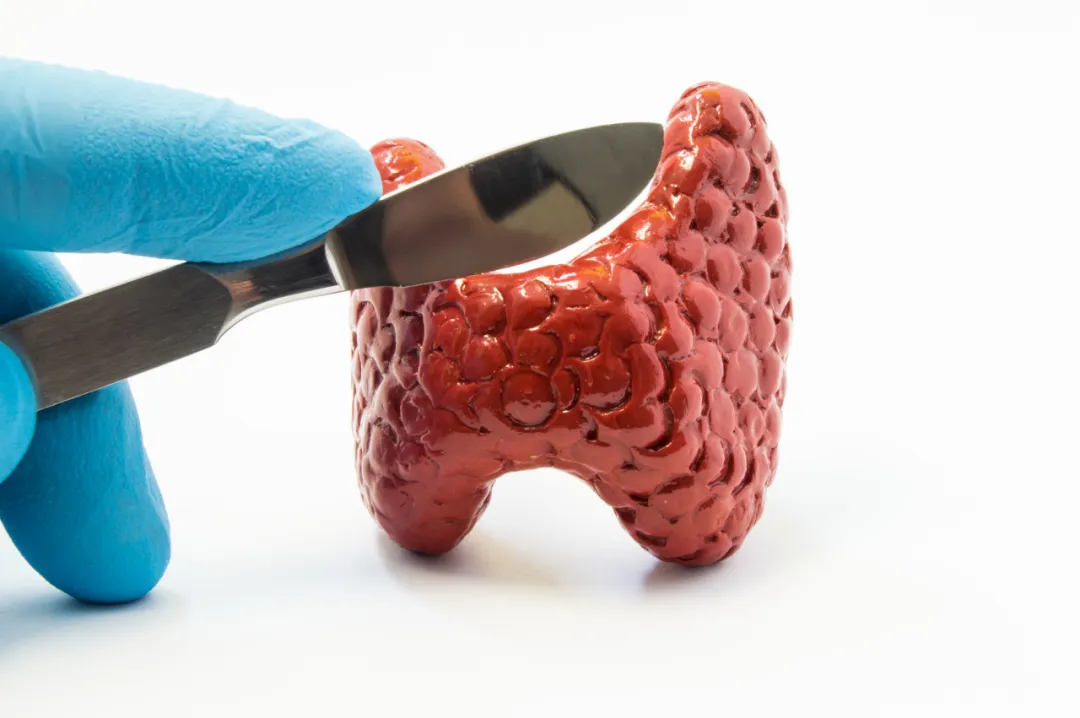
The thyroid, the body's largest endocrine organ, precisely regulates your energy, heartbeat, body temperature, and even emotional state.
When you feel stressed, anxious, or angry, it prompts the thyroid to accelerate hormone secretion, putting the body into a "combat-ready" state. Once the short-term emotional storm passes, the thyroid can return to calm. However, if one remains in a state of long-term suppression, tension, and inability to vent, this "engine" may be forced to operate under sustained overload. Over time, this can ultimately lead to structural changes—the formation of nodules.
Thyroid nodules are localized abnormal growths within the thyroid gland. The vast majority are benign, but they may enlarge over time, compressing the trachea or esophagus, causing swallowing difficulties, breathing problems, or hoarseness. More importantly, approximately 5%-15% of nodules may be malignant, i.e., thyroid cancer.
Although most thyroid cancers progress slowly and have a good prognosis, without timely intervention, they can still invade surrounding tissues, affect voice and breathing, and even metastasize distantly, causing long-term impacts on health and life.
Many patients believe, "Since there are no symptoms, I don't need to worry about it." This is a typical cognitive. By the time obvious symptoms appear, the condition often has reached an intermediate or advanced stage, significantly increasing treatment difficulty and risk.
Early detection, professional evaluation, and timely intervention are the most sensible ways to manage thyroid nodules.
03
Precision Treatment Brings True Peace of Mind
When facing thyroid cancer, choosing an experienced medical team is crucial. We understand that true peace of mind begins with a clear, professional assessment.
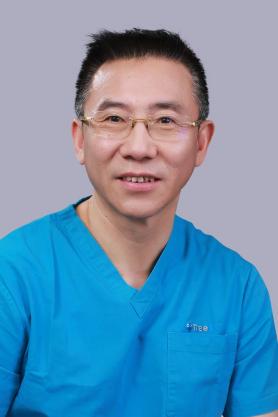
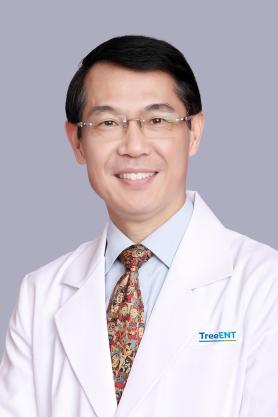
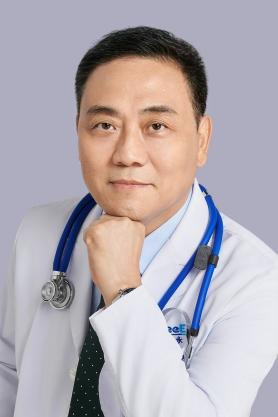
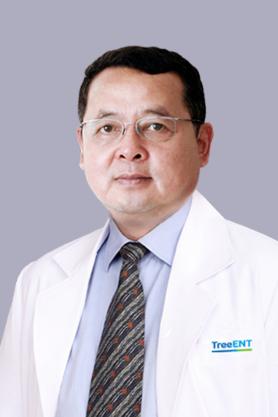
At RenShu ENT, we have an experienced thyroid specialist team.
Our doctors provide clear evaluations and personalized recommendations through professional diagnosis—whether it's regular follow-up or necessary surgical intervention.
If you or a family member has been diagnosed with a thyroid nodule, please do not wait or ignore it. The Thyroid Specialist Department at RenShu ENT offers professional evaluation and clear guidance to help you determine the nature of the nodule, formulate the most suitable management plan, and allow you to face it with true peace of mind and composure.
04
Thyroid Health Self-Check You Can Do at Home
While self-examination cannot replace professional diagnosis, it is an important step for early detection of abnormalities. You only need a mirror and one minute:
Look & Swallow
Look up at the mirror and observe for any bulges below the Adam's apple. Take a big sip of water and notice if any lumps move in that area when swallowing.
Feel & Sense
Gently touch the front of your neck, on both sides of the windpipe, with your fingertips. Feel for any hard lumps, tenderness, or asymmetry.
Listen & Observe
Pay attention to details in daily life—Is your collar getting tighter? Is there a foreign body sensation when swallowing? Has your voice become hoarse for no reason? Is your breathing smooth when lying flat?
These subtle signals are often early warnings from your body. If you notice any abnormalities, please seek medical attention promptly.