-
-
-
400-685-8537

source: 2025-04-27 17:11:02 Secondary reading
When you first see the words "thyroid nodule" on your health checkup report, you might panic, worry, or rush to consult friends and doctors. But when you see those five characters for the second, third… or Nth time?
Ugh, this is getting frustrating.
Who doesn’t have a few nodules these days? If they’ve been painless and unbotherome all this time, maybe they’re no big deal?
But can you truly ignore "thyroid nodules" on your report? Don’t forget: thyroid cancer is nicknamed the "lazy cancer." Where’s the laziness? Keep reading for answers!
Understanding the Thyroid and Its "Nodules"
The thyroid, a vital endocrine gland located below the thyroid cartilage in the neck, secretes hormones that regulate metabolism, growth, and energy balance. Its butterfly-like shape resembles a shield, hence the name.
Thyroid nodules—common thyroid disorders—are simply lumps within the gland. Causes include genetics, radiation exposure, immune dysfunction, infections, iodine imbalance, chemical irritants, or hormonal fluctuations.
No Need to Panic (Mostly)
Most nodules are asymptomatic and undetectable without ultrasound. With widespread health screenings, nodules have become a "popular" diagnosis.
Clinical data shows over 90% of thyroid nodules are benign, with malignancy rates under 10%. For most, semiannual or annual ultrasound follow-ups suffice if nodules remain stable.
The "laziness" here refers to routine monitoring—regular checkups to detect changes early, keeping nodules manageable.
But what if you skip these checkups?
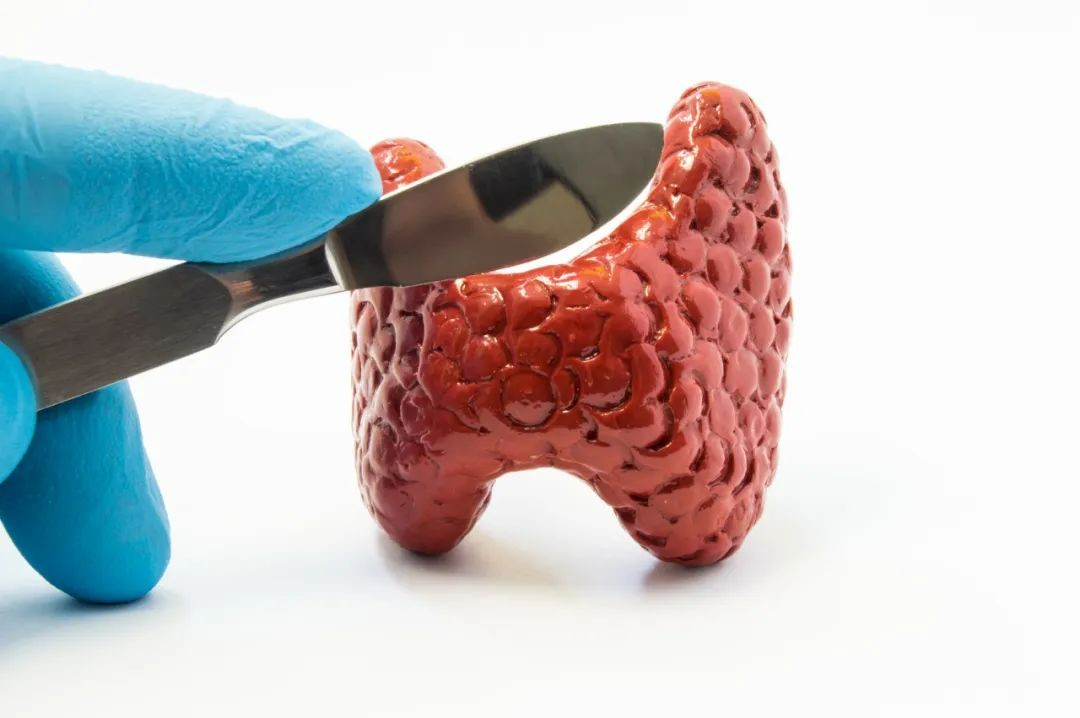
When to Sound the Alarm: Nodule → Crisis
1. Nodule Size and Compression Symptoms
Large or growing nodules may compress nearby structures:
Trachea: Difficulty breathing or choking.
Esophagus: Swallowing issues.
Nerves: Hoarseness.
Seek immediate care to prevent complications.
1. Pain or Discomfort in the Thyroid Area
Swelling, tenderness, or pain may indicate thyroiditis, cysts, or sudden bleeding. Require further evaluation.
2. Hormonal Imbalances and Symptoms
Nodules can disrupt thyroid function:
Hyperthyroidism (excess hormones): Palpitations, weight loss, sweating, anxiety.
Hypothyroidism (insufficient hormones): Fatigue, depression, swelling.
Monitor hormone levels and adjust treatments promptly.
1. Imaging Red Flags
Suspicious features on ultrasound/CT include:
Ill-defined borders, irregular shape, no capsule.
Enlarged lymph nodes.
Nodules near the trachea or recurrent laryngeal nerve.
These may signal malignancy. Confirm via fine-needle aspiration biopsy. If cancerous, surgery is typically required—prognosis is excellent with timely treatment.
Key Takeaway:
Prevent "nodules" from becoming "crises"—stay vigilant, schedule regular follow-ups, and act swiftly on red flags!