-
-
-
400-685-8537

source: 2026-06-22 16:42:18 Secondary reading
“Mom, my nose is so stuffy… it’s really uncomfortable…” Doudou complained again before bed, as he had so many times before. The child had gotten used to breathing through his mouth, his lips dry and peeling. Late that night, Mom quietly pushed open the door and found that young as he was, Doudou was already snoring. This hadn’t happened just once or twice. And inside Doudou’s body, a chaotic drama was unfolding.
If the organs could post on WeChat, here’s what they might say. First, the nose cried out: “I’m seriously losing my mind! Bro Adenoid, can you please stop blocking me? I can’t even draw in a single breath right now—I’m about to explode! #BreathingIsHard #SaveMe.” In the comments, the adenoid replied, “I can’t help it either! You keep getting inflamed, and all that discharge drips back down and irritates me—I’m working overtime and swelling up like a steamed bun. You think I want to be swollen?” The sinuses agreed, “^+1. When you act up, our whole sinus area suffers.” The tonsils added, “@Adenoid Bro, if you swell, I swell too. We’re really in this together…” And the trachea pleaded, “Can you guys upstairs just calm down? No air is coming down to me, and I’m getting desperate too!”
What does the doctor say? The adenoid, also known as the pharyngeal tonsil, is a mass of lymphoid tissue located at the very back of the nasal cavity, at the top of the throat (the nasopharynx). As one of the key immune organs during childhood, its main job is to identify and trap bacteria and viruses that enter through the nose and mouth—it is the child’s “immune sentinel” against respiratory infections. The adenoid naturally grows during the physiological hyperplasia phase between ages 2 and 6, and typically shrinks gradually after age 10–12 as the immune system matures. However, when the adenoid overreacts due to recurrent colds, rhinitis, or persistent allergen stimulation, it can become pathologically enlarged—transforming from a dutiful “guardian” into a “roadblock” that obstructs the airway. Many parents think snoring is only for overweight children, but that is not the case. In clinical practice, a considerable number of snoring children are not overweight—the real culprit is allergic rhinitis. The classic signs in these children are: repeated sneezing in the morning and at night, itchy and stuffy nose, and needing to sleep with the mouth open. When lying flat at night, nasal congestion worsens. With chronic insufficient airflow, persistent inflammation keeps stimulating adenoid and tonsil hyperplasia, forming a vicious cycle: allergic congestion → nighttime hypoxia + mouth breathing → gland enlargement → narrower airway → worse breath‑holding → more severe hypoxia. It may seem like just a few sneezes and some snoring, but in reality, the child is experiencing repeated nighttime hypoxia and fragmented sleep, night after night.
Later, the nose posted again: “I’m so clogged I can’t even sleep well. I have to breathe through my mouth all day, and I feel groggy even in the daytime. Also, I’ve noticed Doudou’s teeth seem to be sticking out more lately… or am I seeing things? #MouthBreathingMakesMeNervous.” The throat responded, “Mouth breathing doesn’t just dry you out—I’m dry and sore too, and it’s even hard to talk.” The brain complained, “I’m the one who suffers most. The hypoxia leaves me foggy all day—Doudou zones out in class and stares blankly at his homework. Can you blame me?” The adenoid said apologetically, “I feel bad for Doudou too… I’ve heard long-term mouth breathing can cause ‘adenoid facies’… but I really can’t control myself!”
The doctor explains that the effects of chronic hypoxia go far beyond “poor sleep.” First, it stunts growth: growth hormone is secreted in large amounts only during deep sleep at night. Snoring and breath‑holding disrupt deep sleep, directly suppressing growth hormone release and causing height to lag behind peers. Second, it damages the brain: nighttime hypoxia leads to poor daytime concentration, hyperactivity, irritability, and memory decline. Many children are not being “lazy”—they are suffering from brain fatigue and simply cannot focus on learning. Third, it causes irreversible facial changes: long‑term mouth breathing alters the muscle balance of the mouth and face—the upper lip lifts, teeth become misaligned, lips protrude, the chin retracts, and the face lengthens. This is “adenoid facies.” Once the facial bones have fully developed, even if the adenoid is later removed, the skeletal changes cannot naturally revert. Fourth, it strains the heart and lungs: repeated nighttime hypoxia and waking from breath‑holding mean the heart works overtime all night long. Over time, this can lead to myocardial strain. In moderate‑to‑severe cases, there is a real risk of nocturnal sudden death—this is no exaggeration.
Finally, the adenoid posted cheerfully: “Good news! Mom said she’s taking Doudou to see a doctor! Hopefully, I’ll finally get a good rest this time. #SecurityCaptainAppliesForLeave #FinallyHereAndINeverGaveUp.” The nose exclaimed, “Really?! Great! I won’t have to be suffocated every day anymore!” The tonsils encouraged, “Bro, if you can shrink, I’ll benefit too. Hang in there!” The trachea said, “Mom is brilliant! Finally, I won’t be left gasping all the time… so moved I could cry.” And Doudou’s mom replied, “I’m so sorry for making everyone suffer. I’ll take Doudou tomorrow—promise.”
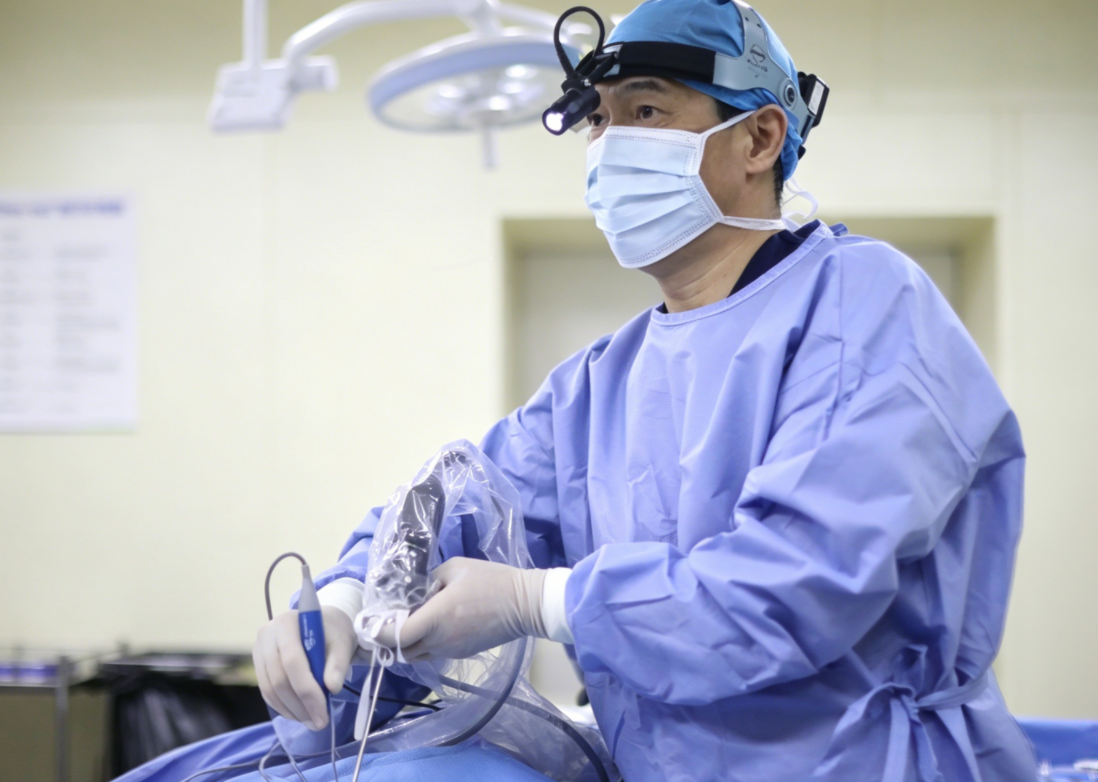
The doctor emphasizes that the only one who can truly stop this chaos is you—the child’s parent. You only need to do one thing: take your child to an ENT (ear, nose, and throat) department. Leave the rest to the doctors. First, get a clear diagnosis. The doctor will use nasal endoscopy to directly visualize the adenoid size and the degree of posterior nasal obstruction; CBCT (Cone Beam CT) to assess the blockage ratio, sinus inflammation, and other structural issues like turbinate hypertrophy or deviated septum; and, if necessary, a sleep study to evaluate nighttime minimum oxygen levels and apnea‑hypopnea index. These tests are not just to see the adenoid itself—they are also to find the real root cause of the enlargement. Without identifying the cause, even if the adenoid is removed, it may regrow. Then, choose a treatment plan based on the cause. If it is caused by allergic rhinitis, first identify allergens, consider desensitization therapy if needed, and combine with intranasal corticosteroids to reduce inflammation. If it is caused by chronic sinusitis, first control the infection to reduce the continuous irritation from inflammatory secretions. If conservative treatment fails, or if there is already hypoxemia, adenoid facies, otitis media, or dentofacial problems, surgery may be needed. Many parents get nervous at the word “surgery,” worried about their child suffering or that removing the adenoid will affect immunity. At Renshu, these concerns are fully addressed. They use the current mainstream technique—low‑temperature plasma ablation—which features minimal bleeding, short procedure time, and rapid recovery. Most children have reduced snoring the same night after surgery and can be discharged within 24 hours. If the child also has tonsillar hypertrophy, Renshu uses subcapsular partial tonsillectomy rather than traditional total removal, which preserves some immune function while significantly reducing postoperative pain. Post‑surgery, a refined care management plan covers medication, diet, and follow‑up health calls to help the child transition smoothly through recovery. Parents need not worry about decreased immunity—the adenoid is just one part of the Waldeyer’s ring; after removal, the surrounding lymphoid tissues compensate for its function. The goal of surgery is to relieve airway obstruction and allow the child to breathe normally. Remember: the long‑term harm of chronic hypoxia to a child’s brain development, facial growth, and height far outweighs the risks of surgery itself.
So many children’s problems are overlooked little by little: the repeated complaints of “stuffy nose,” the nights spent sleeping with mouths wide open, the blank stares in class. Hearing them, seeing them—that is the first step. Then take them to the hospital for one check‑up. Once you know the facts, you will have peace of mind. Doudou’s mom has already set out. What about you? Does your child snore during sleep, breathe through the mouth, or have recurrent rhinitis? Have you ever had their adenoid checked? Feel free to share your experience in the comments.