-
-
-
400-685-8537

source: 仁树医疗 2026-05-08 17:33:39 Secondary reading
During the returning damp weather and plum rain season, the air is so humid it feels like water could be wrung out of it.Many people’s ears quietly start to grow mold too.
Your ears feel unbearably itchy, leaving you dying to pick them.You grab a cotton swab or ear pick, and feel instant relief the moment you finish.Yet the itch soon comes back — the more you scratch, the itchier they get; the more you pick, the worse the itch becomes.
You may think excess earwax is to blame for the irritation,but the far more likely cause is fungal otitis externa.
01 Where Does the "Mold" in Your Ears Come From?
Fungal otitis externa refers to an infection of the external auditory canal caused by pathogenic fungi. The most common culprits are aspergillus and candida — fungi widespread in the environment that also commonly cause food to go moldy.
Under normal circumstances, earwax is weakly acidic and inhibits fungal growth. But in humid conditions, coupled with improper ear-picking habits, fungi seize the chance to invade.
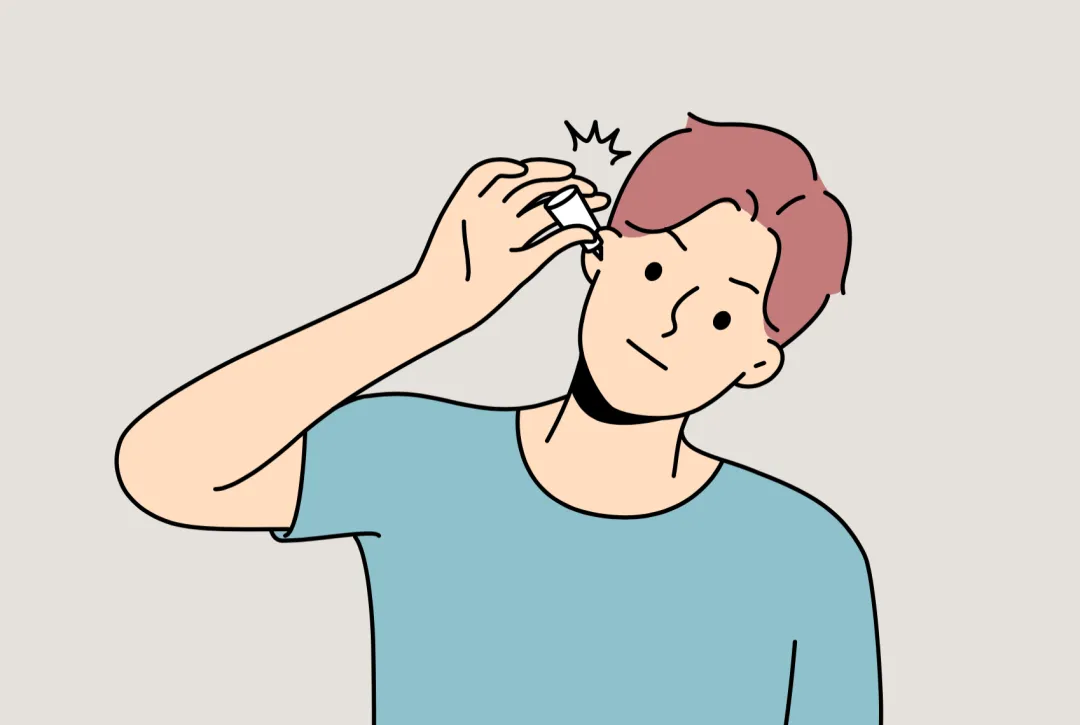
An infection triggers a host of uncomfortable symptoms:
Severe ItchingThe most typical symptom. There is persistent itching inside the ear that worsens with picking, and in severe cases, it even disrupts sleep.
Ear DischargeDischarge appears damp, flocculent or powdery, in shades of black, brown, yellow or green. This differs from the yellow pus caused by ordinary bacterial infections.
Ear Fullness & BlockageFungal clumps and built-up discharge clog the ear canal like a foreign object, causing slight hearing loss.
Ear PainPain is usually mild, but it may occur if a bacterial infection sets in or inflammation worsens.
02 Four Daily Habits That Let Mold Grow in Your Ears
Fungal otitis externa rarely stems from a single cause; it is usually the combined effect of multiple factors.
× Frequent Ear Picking
The skin lining the external auditory canal has a natural protective barrier, and weakly acidic earwax keeps fungal growth in check. Frequent picking damages this barrier, giving fungi an opening to invade.
Many people regard earwax as "dirt" and feel compelled to remove it completely. In fact, earwax protects the ear canal. In most cases, it drains naturally through daily movements like chewing and talking, requiring no frequent cleaning at all.
Correct practice: Avoid frequent ear picking. If excessive earwax truly affects your hearing, visit a hospital for professional removal by a doctor.Do not assume ear cleaning parlors offer more professional care. Though the experience feels relaxing and professional, sterilization standards for their tools vary greatly. If a previous customer carried fungi and the tools were not fully disinfected, the next user is highly vulnerable to infection. Clinically, many recurrent cases of fungal otitis externa stem from ear parlor cleanings.
× Humid Living Environment
The ear canal is a relatively enclosed passage where moisture evaporates slowly. Fungi thrive in dampness. High humidity during returning damp days and the plum rain season, as well as dirty water entering the ears while swimming, shampooing or bathing — if not dried promptly — create ideal conditions for fungal growth.
Correct practice: If water gets in your ear, tilt your head to let it flow out, then gently dab the ear opening with a sterile cotton ball. Never insert cotton swabs deep into the ear canal.
× Physical Health Conditions
The immune system can normally clear small amounts of fungi in the body. However, people with diabetes, those taking long-term immunosuppressants, or anyone with a weakened constitution have lowered immunity and are far more susceptible to fungal infections.
Correct practice: Keep blood sugar under control, exercise regularly and boost overall immunity.
× Poor Hygiene & Environmental Factors
People living or working in persistently hot and humid environments face a higher risk of fungal infections. Additionally, sharing in-ear devices such as earphones, earplugs and hearing aid molds raises the risk of cross-infection.
Correct practice: Maintain good personal hygiene, regularly clean in-ear devices, and never share them with others.
03 Three Steps to Clear Mold Out of Your Ears
If you suspect you have fungal otitis externa, the most important step is to consult an otolaryngology (ENT) specialist. The core treatment principle is: thorough cleaning + antifungal medication.
Step 1: Professional Cleaning (Most Critical)
Under an otoscope, doctors use professional suction devices and instruments to remove all fungal clumps and discharge from the ear canal. This is the foundation of successful treatment. Incomplete cleaning will greatly reduce the effectiveness of subsequent medication.
Step 2: Topical Medication
After thorough cleaning, doctors will prescribe antifungal ear drops or ointments based on the specific type of fungus involved. Never self-medicate with over-the-counter ear drops.
When ear discomfort strikes, most people instinctively buy generic ear drops. But most commercial ear drops contain antibiotics designed for bacterial, not fungal, infections. Using antibiotic drops on a fungal infection is not only ineffective but also disrupts the ear canal’s natural flora, allowing fungi to multiply rapidly and worsen the condition. Always get a formal diagnosis first, then use medication as prescribed — topical treatment usually needs to be continued for several weeks.
Step 3: Oral Medication
For recurrent, stubborn cases or patients with severely weakened immunity, doctors may prescribe oral antifungal drugs.
Important note: Fungal infections require a long treatment course. Always complete the full medication course as instructed by your doctor. Do not stop taking medicine once symptoms fade, as the infection is highly likely to relapse.
Our ears accompany us to hear birdsong at dawn and whispers in the quiet night,yet they are so often neglected, dismissed with a simple cotton swab.
They silently endure our careless daily habits time and again,until they send out warning signals with itching, blockage and discharge.
Don’t let trivial bad habits harm the ears that let you listen to the world.