-
-
-
400-685-8537

source: 2025-11-26 13:23:46 Secondary reading
For your child's eyesight, you may already be trying your hardest: limiting screen time, monitoring posture, reminding them to take breaks...
Yet, it seems incredibly difficult to control the progression of their myopia.
Especially in winter, that feeling of helplessness – "how has it gotten worse again?" – is particularly frustrating.
Actually, the problem might not necessarily lie with you –
rather, winter is secretly working behind the scenes to "accelerate" it.
What Key Protections Does Winter Steal Away?
01 Reduced Light: Eyes Lack "Natural Protection"
Winter days are shorter, and light intensity diminishes, significantly reducing children's exposure to outdoor natural light. Sufficient natural light helps the eyes release dopamine, maintaining a balanced regulatory state and thus inhibiting excessive axial elongation. When outdoor light exposure is insufficient, this balance is easily disrupted.
In other words: The less light exposure, the easier it is for the eye axis to lengthen, and the more likely myopia is to worsen.
This isn't about missing sun today and seeing a prescription increase tomorrow; it's the result of a slow accumulation over the entire winter.
02 Cold Weather Deters Activity, Outdoor Time Almost "Drops to Zero"
It's windy and cold in winter, so many children rush back indoors after class. Even on weekends, they prefer staying home.
Other seasons might look like: Outdoor-Indoor-Outdoor-Indoor...
Winter often becomes: Indoor-Indoor-Indoor... with almost no outdoor time!
However, outdoor activity is crucial for protecting the eyes. It's not just about "looking into the distance," but also because the outdoor environment allows the eyes to be in a relaxed, natural state of adjustment.
When outdoor time plummets and close-range indoor activities surge, it's natural for the myopia prescription to rise more sharply.、、
03 Higher Study Density in Winter, Eyes "Constantly Working"
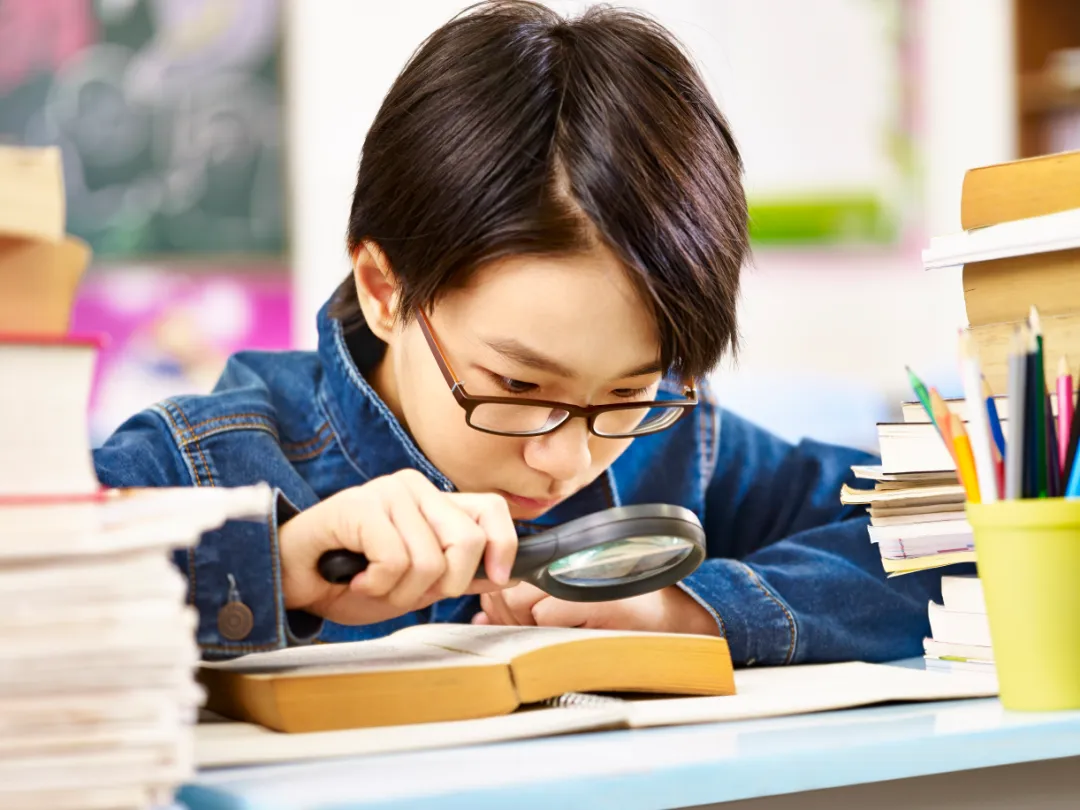
Nearing the end of the semester, revision, homework, and tests pile up: math problems to solve, English vocabulary to memorize, Chinese texts to read... Prolonged near work forces the eyes' focusing system into "overdrive."
Your child might not proactively complain, but certain behaviors are worth noting: getting closer and closer to homework, starting to squint while reading, finding the whiteboard blurry, becoming irritable while working... These are all signs of eye strain.
04 More Disrupted Routines, Lack of Sleep Makes It Hard for Eyes to Rest
Cold weather makes it harder for children to get up early; academic pressure makes them more prone to staying up late. What seems like just "half an hour later to bed" can make a significant difference for the eyes.
Lack of sleep makes it difficult for the eye muscles to fully recover, especially the ciliary muscle responsible for focusing. Without adequate rest, it remains in a constant state of tension. Continuing to use the eyes the next day in this state makes accelerated myopia progression more likely.
Your child might not tell you "my eyes are tired," but they may become listless, inattentive, and find their vision blurry – these are all silent protests from their eyes.
Winter prescription changes are often not accidental.
The weather gets colder, days shorter, outdoor time decreases, yet academic demands increase.
These small changes accumulate, becoming the "driving force" behind prescription increases.
But the good news is: most of them can be improved through active intervention.
How to "Brake and Slow Down" Winter Myopia Progression?
Borrow Some Protective Power from the Winter Sun
Winter has shorter days, but the protective effect of natural light on the eyes remains irreplaceable.
We don't need to stress about getting a full 2 hours all at once, nor squeeze outdoor time into one large block. Walking to and from school, spending break time on the playground... these are all cumulative, fragmented outdoor opportunities that are easier to accumulate than you might think.
The light is best between 9 AM and 3 PM in winter. If possible, try to schedule your child's outdoor activities during this time.
If it's really hard to get enough on weekdays, make up for it by getting more sun exposure on weekends, balancing the "outdoor account."
Ensure Ample Light & Relax the Eyes
Children spend more time indoors during winter. Insufficient lighting can easily worsen eye strain.
Use both the desk lamp and the main overhead light – the brighter the room, the less prone to fatigue.
Avoid prolonged, continuous near work.
Maintain proper posture and a steady grip when doing homework or reading; don't hunch closer over time.
Minimize screen time as much as possible, and control the duration when necessary.
A Simple and Useful Method:
The 20-20-20 Rule
For every 20 minutes of near work, look at something at least 20 feet (about 6 meters) away for at least 20 seconds.
Don't underestimate these small "relaxation breaks" – they give your child's eyes a significant breather.
Balanced Diet: Eating for "Good Eyesight"
Children's appetites might be better in winter, but dietary structure can quietly affect eye health.
Ensure a varied intake of foods, especially dark-colored vegetables, fruits, and fish rich in lutein, Omega-3, and various vitamins. Simultaneously, pay attention to reducing snacks, sweets, and carbonated drinks. Excessive sugar intake might be detrimental to myopia control.
Watch for Eye Strain Signals & Take Proactive Steps
Eye fatigue tends to accumulate in winter, making it easier to confuse pseudomyopia with true myopia.
Therefore, scheduling a professional eye health examination before the winter break is crucial. The earlier the intervention, the better the stability.
At Renshu Eye, Ear, Nose, and Throat Hospital, doctors will:
Establish a Complete Vision File
Record current visual acuity, refractive error, and axial length to provide a baseline for future comparison.
Seize the "Golden Period" for Intervention
Assess whether there's a trend of accelerated axial elongation and promptly adjust the prevention and control plan.
Develop a Personalized Management Plan
Provide clear guidance on everything from eye habit and study routine adjustments to outdoor scheduling, and whether further intervention is needed.
Children's myopia doesn't worsen suddenly.
Especially in winter, every overlooked small habit can become a "catalyst" for prescription increase.
But it's not unstoppable!
More sunlight, more outdoor time, more rest, more attention – this winter, your child's myopia progression can slow down and stabilize.
Myopia isn't a predetermined race towards acceleration.
We can absolutely turn it into a controllable, slow lane.